


A beautifully designed graduation program does more than list names—it tells the story of the ceremony and becomes a keepsake that families treasure for years. Whether you are planning a preschool commencement or a university conferring of degrees, the program sets the tone for the entire event.
From layout and paper choice to thoughtful wording and visuals, this guide shares graduation program design ideas to help you create something elegant, organized, and memorable. By focusing on the details, you can transform a simple piece of paper into a lasting memento of academic achievement.
Understand Your Audience
When approaching graduation program design, the first step is knowing who will be reading it. Your program serves multiple groups, and the design needs to bridge the gap between institutional formality and family celebration. Pro Tip: Balance formality with warmth. Your design for graduation program layouts should feel celebratory, not corporate. Consider these three key groups:
- Students: They want a keepsake that reflects school pride. Look for modern, clean designs that highlight their achievements.
- Families: Parents and grandparents need clarity. Include clear details and easy-to-read fonts to ensure accessibility for guests of all ages.
- Faculty and Staff: The administration requires a tone that is consistent with institutional standards.
Choose the Right Format
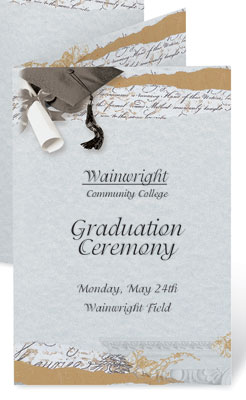
Graduation programs come in several styles, and the right choice depends largely on your ceremony size and complexity. When selecting your format, consider using specialty graduation program paper. A heavier weight, such as 65 lb stock, adds a sense of importance and durability to the document.
- Booklet Style: This is the best choice for universities or large ceremonies with lengthy lists of graduates and speakers.
- Single Fold: A traditional, clean option often used for high school commencements. It offers enough space for an order of events and a list of names without being bulky.
- Flat Sheet (Front/Back): Ideal for intimate or mid-year graduations where the itinerary is short.
- Digital PDF: Perfect for virtual or hybrid events, allowing remote guests to follow along.
Layout Tips for a Polished Look
A clean layout ensures the program feels professional and easy to follow. When working on your graduate program design, avoid the temptation to fill every inch of white space. Follow these design principles for a professional result:
Use a Grid: Establish clear margins and a simple grid system to keep text aligned.
Limit Fonts: Stick to two font families—one decorative font for headings and one highly readable serif or sans-serif font for the body text.
Consistent Spacing: Ensure the space between sections is uniform throughout the document.
Strategic Emphasis: Use bold or italics sparingly, reserving them for names or section titles.
Important: Always review a printed proof. Digital previews often hide spacing errors that become obvious when held in your hand.
Craft Meaningful Wording
Thoughtful language turns a simple itinerary into a heartfelt keepsake. While you want to be concise, certain sections are essential for a complete graduation programs design.
Welcome Message: A brief note from the principal, dean, or superintendent sets a welcoming tone.
Order of Events: Clearly list the Processional, Welcome, Speakers, Conferring of Degrees, and Recessional.
Acknowledgments: Recognize staff, donors, or committees that made the ceremony possible.
Closing Statement: End with a congratulatory note or the school motto.
What to Skip: Avoid lengthy school histories, detailed trivia, or yearbook-style collages. Keep the focus on the event at hand.
Incorporate Visual Elements
Visuals enhance readability and connect the program to your school’s brand. When browsing graduation program designs, you will notice that the best ones use visuals to guide the eye rather than distract it.
- Include the school colors, logo, or mascot emblem on the cover.
- Use high-resolution images of campus landmarks or past ceremonies if space allows.
- Frame sections with borders or subtle background motifs to break up text blocks.
Add Creative Theme Inspiration
Your program can subtly reflect your graduation theme or event tone. Whether you are hosting a somber academic event or a lively celebration, your paper choice plays a huge role here.
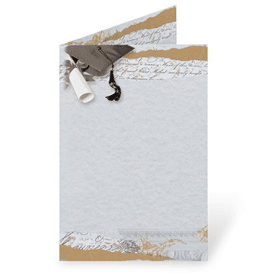
Classic & Traditional: Use cream or white paper with black or gold fonts.
Modern Minimalist: Opt for clean lines, sans-serif fonts, and subtle accent colors.
Whimsical or Youthful: Soft pastels or confetti motifs work wonderfully for elementary or preschool ceremonies.
Elegant Formal: Foil borders or embossed seals are perfect for university commencements.
Personalize for the Graduates
Personal touches make your program stand out and feel unique to the graduating class. Pro Tip: For very large ceremonies where listing every name inside the booklet isn’t feasible, print a single-page insert featuring all graduate names.
Spotlight Profiles: For smaller schools, add graduate photos or short bios.
Class Mottos: Include an inspirational quote or the specific “Class Motto” chosen by the students.
Honors and Awards: Highlight notable awards, scholarships, or academic achievements next to student names.
Printing & Distribution Considerations
Your print quality impacts how guests perceive your event. A well-designed program printed on flimsy paper can lower the perceived quality of the ceremony. For distribution, consider placing programs at each seat before the ceremony begins, or handing them out at entry points to ensure every guest receives one.
Ink Quality: Use high-quality ink or professional digital printing for sharp, legible text.
Paper Weight: Choose 65 lb or heavier stock for a keepsake-quality feel that won’t wrinkle easily.
Test Copies: Print test copies to check color accuracy and alignment before running the full batch.
Proofread & Finalize with Care
Nothing disrupts a graduation program design like a typo in a student’s name. Double-check every section before sending the file to the printer.
Proofing Checklist:
- Graduate names (spelling and alphabetical order).
- Speaker titles and event times.
- Logo and date accuracy.
- Grammar and punctuation consistency.
- Have at least two reviewers check the document to ensure total accuracy
Add Finishing Touches
Small details make your program feel premium and complete. If you are looking for unique graduation program design ideas, look beyond the print. Pro Tip: Store extra copies as keepsakes for the school archive so future classes can look back on the history of the institution.
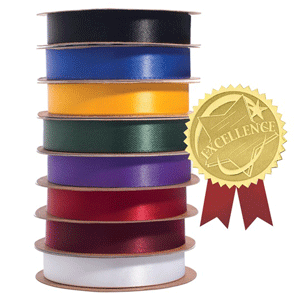
Embossed Seals: Add foil or embossed school seals to the cover.
Ribbons: Use ribbon ties in school colors to bind booklet-style programs.
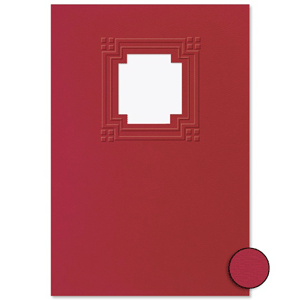
Covers: Use custom covers or vellum overlays for an elegant introduction.
Celebrate the Day with a Lasting Impression
Your graduation program should reflect both the formality and the joy of the event. By focusing on design balance, meaningful wording, and professional materials, you’ll create a program that graduates and families will cherish long after the ceremony ends.