Creative ways to recognize students combine personalization, variety, and consistency. The most effective approaches—from handwritten notes and printed certificates to peer-nominated awards and digital badges—focus on effort and individual strengths, not just grades.
Coming up with fresh, meaningful student recognition ideas can feel like a tall order at the start of each school year. Certificates pile up. Sticker charts lose their novelty. And students quickly notice when recognition feels formulaic rather than genuine.
The good news? Effective student recognition doesn’t require a big budget or elaborate planning. What it does require is knowing your students—what drives them, what they’re proud of, and what kind of acknowledgment actually lands. This guide covers the best creative ways to recognize students, from structured classroom programs to low-cost daily gestures, so you can build a recognition culture that motivates every learner.
What Are the Best Ways to Recognize Students?
The best student recognition ideas share three things: they’re personal, consistent, and varied. When recognition feels tailored to the individual, students are far more likely to internalize it as meaningful rather than dismiss it as routine.
A simple starting point is getting to know your students early. Many teachers use questionnaires on the first day of school to learn what students do outside the classroom—hobbies, interests, family traditions. This groundwork makes every form of recognition feel more genuine because it’s rooted in who the student actually is.
Quick ideas teachers can use right away:
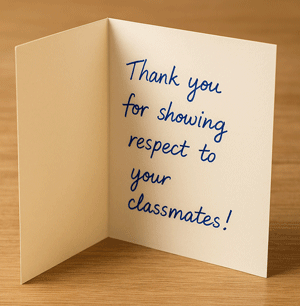
- Give handwritten thank-you notes
- Award certificates for specific achievements
- Offer classroom privileges
- Celebrate milestones publicly
- Recognize effort—not just grades
That last point matters. Recognition tied exclusively to academic performance can inadvertently discourage students who work hard but struggle with outcomes. Acknowledging growth, persistence, and character builds a more inclusive and motivating classroom environment.
Personalized Student Recognition Awards
One of the most effective student recognition award strategies is matching the reward to both the student and their achievement. A student who thrives on public praise responds differently than one who prefers a quiet, personal acknowledgment.
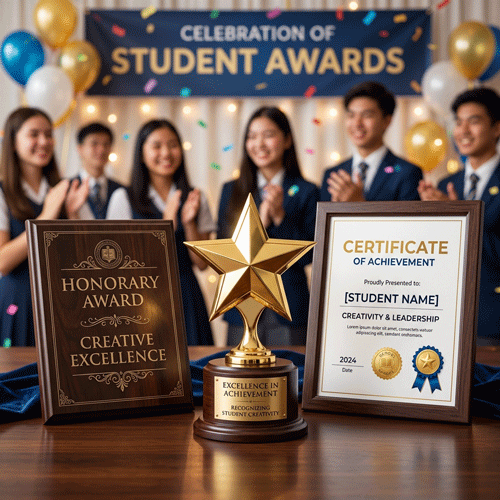
Printed certificates remain one of the most popular student recognition awards—and for good reason. They’re tangible, memorable, and easy to customize. Whether displayed on a fridge at home or tucked into a keepsake box, a well-designed certificate carries lasting meaning.
Ideas for personalized recognition:
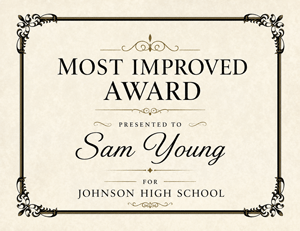
- Certificates for “Most Improved,” “Best Effort,” or “Great Teamwork”
- Customized messages that reference the student’s specific accomplishment
- Awards tied to personality traits like creativity, kindness, or leadership
Plaques and trophies offer another option for milestone recognition, especially for end-of-year celebrations or significant achievements. The key is specificity—an award certificate that says “Awarded for outstanding improvement in reading comprehension” means far more than a generic “Good Job” award.
Fun Classroom Recognition Programs
Structured programs transform student recognition from a one-off event into an ongoing classroom norm. When students know recognition is consistent and expected, it becomes part of the culture rather than a surprise.
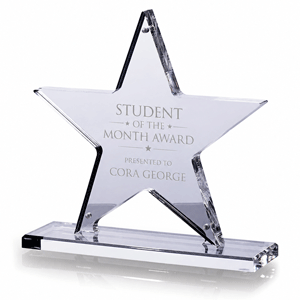
Student of the Month
The classic Student of the Month program works best when it’s designed so that every student has a realistic chance of being recognized. Rotate criteria across months—one month might honor academic effort, another might celebrate kindness or community contribution. Celebrate honorees with certificates, bulletin board displays, or morning announcements.
Recognition Wall or Bulletin Board
A dedicated recognition board keeps achievements visible throughout the school year. Showcase student artwork, project milestones, reading goals, or personal accomplishments. Keeping it updated maintains the excitement and signals to students that their work is consistently noticed.
Themed Recognition Days
Themed recognition events add a layer of fun to the classroom routine. Ideas include:
- “Kindness Champion Day” — celebrating students who go out of their way to support peers
- “Creative Thinker Award” — honoring original thinking and problem-solving
- “Reading Superstar Week” — recognizing consistent reading habits and growth
These programs make recognition for students visible, anticipated, and embedded in everyday classroom life.
Creative and Low-Cost Recognition Ideas
One of the most important insights about recognition for students is that cost and impact rarely correlate. Many of the most meaningful gestures are completely free—and students often remember them longer than physical prizes.
Low-cost and no-cost recognition ideas:
- Homework passes
- Extra free time or special classroom privileges
- Lunch with the teacher or principal
- A positive phone call home to parents
- Small class celebrations like ice cream or pizza
Additional creative ideas that cost nothing:
- Classroom shoutouts during morning announcements
- Leader-of-the-day or “class helper” roles
- VIP seating or a special desk for the day
- Personalized bookmarks or handwritten notes
The handwritten note, in particular, is consistently underrated. A short, specific message from a teacher—acknowledging something a student worked hard on—can have an outsized impact on how valued that student feels.
Digital and Modern Student Recognition Methods
Modern classrooms can expand recognition beyond traditional methods to reach students and families in new ways. Digital tools make it easier to document and share achievements, extending the impact of recognition beyond the classroom walls.
Digital recognition options:
- Digital badges or e-certificates that students can share or print
- Classroom apps that track and celebrate individual milestones
- Email recognition sent directly to parents or guardians
- School social media shoutouts (with appropriate permissions)
Digital student recognition awards are especially effective for remote or hybrid learning environments, where traditional in-person ceremonies aren’t always possible. They also create a digital record of achievement that students and families can revisit over time.
Involving Peers and Parents in Student Recognition
Recognition becomes significantly more powerful when it extends beyond the teacher. Peer recognition teaches empathy and reinforces positive social dynamics, while parent involvement amplifies the impact of a student’s achievement at home.
Peer recognition ideas:
- Students nominate classmates for weekly or monthly awards
- “Kindness cards” written by peers and collected in a class box
- Group activities where students celebrate each other’s contributions
Ways to involve parents:
- Send recognition notes home with students
- Invite families to in-class or school-wide award ceremonies
- Share achievements through class newsletters or parent apps
When the people closest to a student are all reinforcing the same message—”we see your effort, and we value it”—the effect on confidence and motivation is far greater than any single award could achieve on its own.
Build a Recognition Culture That Sticks
Effective student recognition isn’t a once-a-year event—it’s a daily practice built on genuine attention and consistent follow-through. The most impactful teachers don’t wait for formal ceremonies to acknowledge their students. They find small, specific moments throughout the week to say: I noticed what you did, and it matters.
Start simple. Try one new recognition idea this week—a handwritten note, a themed award, or a peer nomination activity. Build from there. Over time, these small gestures compound into a classroom culture where every student feels seen, valued, and motivated to keep going.
Looking for customizable certificates and student recognition awards to bring these ideas to life? Browse PaperDirect’s full range of award certificates, plaques, and recognition materials designed for educators.
Frequently Asked Questions
What are some creative ways to recognize students in the classroom?
Creative ways to recognize students include personalized certificates, classroom privileges, peer-nominated awards, and recognition boards. Many teachers also use themed awards or programs like “Student of the Month” to keep recognition engaging. The most effective ideas focus on effort, improvement, and individual strengths—not just grades.
What are the most common student recognition awards?
Common student recognition awards include certificates for academic achievement, attendance, teamwork, leadership, and improvement. Teachers often customize awards with specific messages to make them more meaningful. Tangible awards like certificates or plaques remain popular because they provide lasting, physical recognition students can keep.
How can I recognize students without spending money?
Meaningful recognition for students doesn’t require a budget. Handwritten notes, special classroom responsibilities, positive phone calls home, and public shoutouts during announcements are all free and often more impactful than purchased prizes. Simple gestures carry the most weight when they feel personal and sincere.
How do I make student recognition feel less repetitive?
Vary the format and criteria throughout the year. Alternate between academic achievements, character-based awards, and peer-nominated recognition. Use themed recognition days and rotate structured programs like “Student of the Month” to keep the experience fresh and inclusive.
Should recognition focus only on academic performance?
No. Recognizing effort, improvement, kindness, creativity, and leadership alongside academic performance creates a more inclusive environment. Students who struggle academically but demonstrate strong character or persistence deserve acknowledgment too—and recognizing these qualities often motivates improvement across the board.