
Proper wedding reception place cards etiquette helps create a seamless, organized experience for your guests. From guiding attendees to their seats to adding a polished decorative touch, place cards play a key role in your reception layout. Get it right, and your guests will settle in effortlessly. Get it wrong, and you risk confusion, awkward moments, and a reception that feels disjointed before the first course even arrives.
This guide covers everything you need to know—how to address wedding reception place cards, how to arrange seating thoughtfully, and how to display your plan clearly on the day. Whether you’re planning a formal sit-down dinner or a stylish modern reception, these tips will help you nail every detail.
What Are Wedding Reception Place Cards?
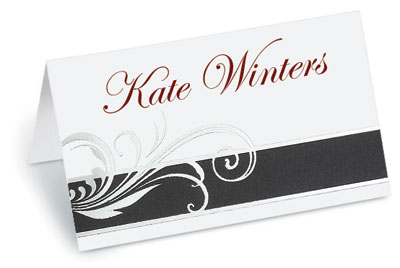
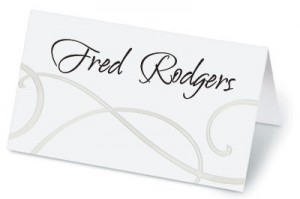
Wedding reception place cards are small cards placed at each seat to show guests exactly where to sit. They’re a hallmark of formal receptions, particularly those with plated meals, where seating needs to be precise and deliberate.
It’s worth knowing how they differ from escort cards. Escort cards guide guests to a specific table, but not a particular seat. Place cards go one step further—they designate the exact chair. Both serve a purpose, but place cards offer a higher level of control and formality.
Use place cards when:
- You’re hosting a formal or plated dinner
- You want precise seating arrangements
- Guest relationships require thoughtful placement (for example, separating families with a complicated history)
For large weddings especially, place cards eliminate the guesswork and keep the reception running smoothly from the moment guests walk in.
How to Address Wedding Reception Place Cards
One of the most common questions couples have is how to address place cards for a wedding reception. The answer depends on the formality of your event, but a few universal rules apply.
1. Use Formal Names When Appropriate
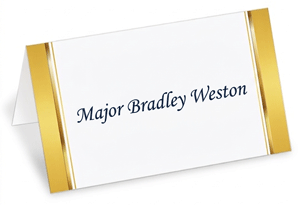
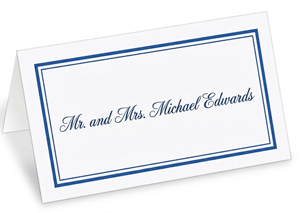
For traditional or black-tie weddings, use titles and last names—Dr. Anderson, Mr. Clarke, Mrs. Nguyen. For casual or relaxed receptions, first names are perfectly acceptable and often feel more personal.
2. Address Couples Correctly
The standard format for a married couple is “Mr. and Mrs. Smith.” For unmarried couples, list both names separately or place them on individual cards. When in doubt, individual cards are always the more thoughtful choice.
3. Handle Plus-Ones and Unknown Guests Gracefully
If a guest is bringing a date and you know their name, include it. If you don’t, write “Ms. Taylor and Guest.” It’s a simple solution that feels inclusive without requiring you to track down information you may not have.
4. Include Children on Their Own Cards
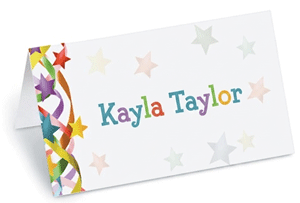
Children at weddings are typically seated separately from adults at a dedicated kids’ table. Each child should have their own place card with their name clearly written—kids love seeing their names on display, and it makes the seating process easier for everyone.
5. Keep It Legible and Consistent
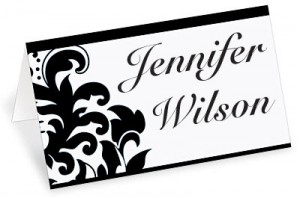
Choose a font or handwriting style that’s easy to read at a glance. Maintain consistent formatting across all cards—same font size, same title conventions, same layout. Inconsistency can make an otherwise elegant table setting look rushed.
Seating Arrangements and Etiquette Tips
Knowing how to do place cards for a wedding reception is only half the challenge—the seating arrangement itself requires just as much thought.
The Bridal Table
Traditionally, the bride and groom sit at the center of the head table. The groom sits at the bride’s right, followed by the best man and groomsmen. The maid of honor sits at the bride’s left, with bridesmaids seated beside her—mirroring the positioning from the ceremony.
The Family Table
Seat immediate family together, with both sides of the family facing one another. This arrangement encourages conversation and connection between two families who may not know each other well. It’s one of those small decisions that can have a lasting impact on the tone of the day.
Friends and Guest Groups
- Mix friend groups so everyone feels included
- Seat guests with at least a few familiar faces
- Keep couples and dates together
- Alternate seating between males and females where possible
If you’re feeling matchmaker-inclined, seating two single guests together at a mutual friends’ table is a subtle, low-pressure way to encourage connection—without making anyone feel singled out.
The Children’s Table
A dedicated kids’ table keeps younger guests entertained and gives adults the freedom to socialize. Keep it fun and age-appropriate, and consider adding small activities or coloring pages to keep children engaged between courses.
Special Situations to Consider
Thoughtful etiquette for place cards for wedding reception seating also means accounting for:
- Dietary restrictions: If certain guests have specific meal requirements, consider seating them in positions that make it easy for servers to identify and accommodate them
- Mobility needs: Guests who use wheelchairs or have limited mobility should be seated at accessible locations near the entrance or aisle
- Sensitive family dynamics: If certain guests shouldn’t be seated near one another, plan accordingly—don’t leave it to chance on the day
Displaying and Communicating Your Seating Plan
Clear communication is essential for a smooth reception. Even with beautifully addressed place cards at every seat, guests still need to know which table to head to when they arrive.
Best practices for displaying your seating plan include:
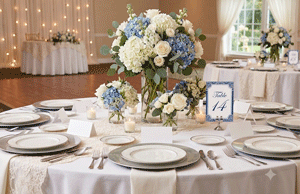
- Place cards positioned at the top of plates or folded over napkins
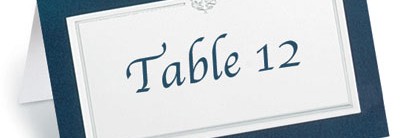
- Table numbers or table names displayed clearly at each table
- A seating chart or display board at the entrance to the reception space, listing guest names alongside their table assignments
A well-organized entry display removes confusion from the start. Guests can find their table number, then locate their place card with ease—no wandering, no awkward circling of tables. According to wedding etiquette guidance from PaperDirect, a seating arrangement layout or list with names and table numbers is one of the simplest ways to streamline the guest experience.
Choosing the Right Style for Your Place Cards
Etiquette sets the rules, but design is where your personality comes through. Your wedding reception place cards should feel like an extension of your overall aesthetic.
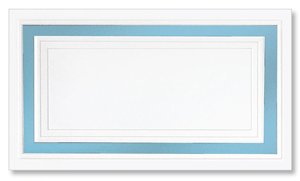
- Elegant folded cards suit formal, traditional receptions and pair well with classic table settings
- Minimalist flat cards work beautifully for modern or Scandinavian-inspired weddings
- Creative alternatives—acrylic cards, calligraphy-written stones, greenery name tags, or Polaroid-style cards—add a memorable, personal touch
Beyond the reception itself, well-designed place cards can double as keepsakes. Guests often take them home as a small memento from the day, which makes the investment in thoughtful design well worth it.
Make Every Seat Count
Wedding reception place cards etiquette isn’t about rigid rules for their own sake—it’s about creating an experience where every guest feels considered and welcomed. When seating is organized, thoughtful, and clearly communicated, it sets a tone of care that carries through the entire reception.
Start by deciding on your level of formality, then work through addressing, arranging, and displaying your cards with the guidelines above. The effort you put into the details is what guests will remember long after the cake is cut.
Frequently Asked Questions
How do you address wedding reception place cards?
Wedding reception place cards should include the guest’s full name, using formal titles (Mr., Mrs., Dr.) for traditional or black-tie events. Married couples can be listed together as “Mr. and Mrs. Smith,” while unmarried couples are best addressed on separate cards. Consistency in formatting across all cards is key to a polished result.
What is the difference between place cards and escort cards?
Place cards designate a guest’s exact seat at a specific table. Escort cards direct guests to a particular table only, without assigning a specific chair. Place cards are used for more formal receptions where precise seating control is required—escort cards are more common at semi-formal events with open seating within tables.
Are place cards necessary for a wedding reception?
Place cards are recommended for formal weddings, large guest lists, and plated dinners. They prevent confusion, allow for thoughtful seating arrangements, and improve the overall guest experience. For smaller or more casual receptions with buffet-style dining, place cards are optional.