
Honor roll recognition remains one of the most common forms of student acknowledgment in American schools, yet many programs are handled with very little intention. A certificate printed on copy paper and handed out quickly in a hallway technically fulfills the requirement. However, a certificate presented by name, printed on quality stock, and tied to a specific achievement becomes a meaningful moment students remember.
This guide explains how to create effective honor roll certificate programs, including certificate types, design strategies, presentation ideas, and ways to integrate recognition into school culture year-round.
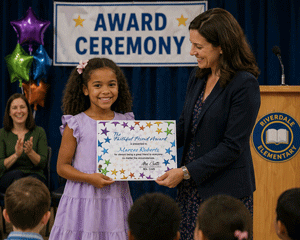
Why Student Recognition Matters
An honor roll student certificate formally recognizes academic achievement based on school-defined standards, usually GPA thresholds. These awards are typically distributed quarterly, semesterly, or annually.
Honor roll certificates serve two important purposes:
- They acknowledge a student’s hard work and achievement.
- They show students and families that the school is paying attention to academic success.
Most schools use several recognition tiers:
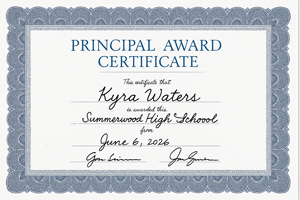
- Principal’s List / Highest Honors: Usually requires a 4.0 GPA or all A’s.
- Honor Roll / High Honors: Typically awarded for a 3.5–3.9 GPA.
- Merit Roll / Academic Recognition: Often recognizes students earning around a 3.0 GPA or showing strong improvement.
Certificates work because tangible recognition feels official. Students can clearly connect the recognition to a specific accomplishment, while families often display certificates at home, extending the motivational impact beyond the classroom.
However, honor roll programs lose effectiveness when they feel rushed or overly administrative. Delayed distribution, repetitive designs, or presentations with little personal acknowledgment reduce the emotional value of the recognition.
Types of Honor Roll Certificates
Academic Honor Roll Certificates
Traditional academic certificates remain the foundation of most recognition programs.
- Principal’s List certificates should feel formal and prestigious, often using parchment stock and administrator signatures.
- Standard honor roll certificates should still feel celebratory while remaining visually distinct from top-tier awards.
- Merit certificates often have the strongest emotional impact because they recognize improvement and effort for students who may not normally receive academic awards.
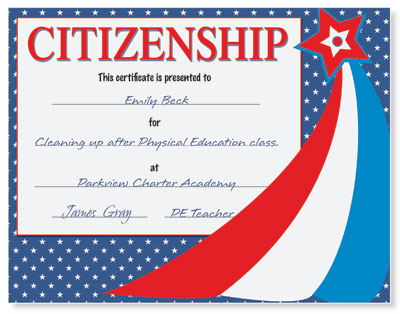
Citizenship and Character Certificates
These awards recognize students who contribute positively to the school environment through leadership, respect, kindness, or responsibility. They help schools acknowledge students whose strengths may not always appear in GPA rankings.
Attendance Certificates
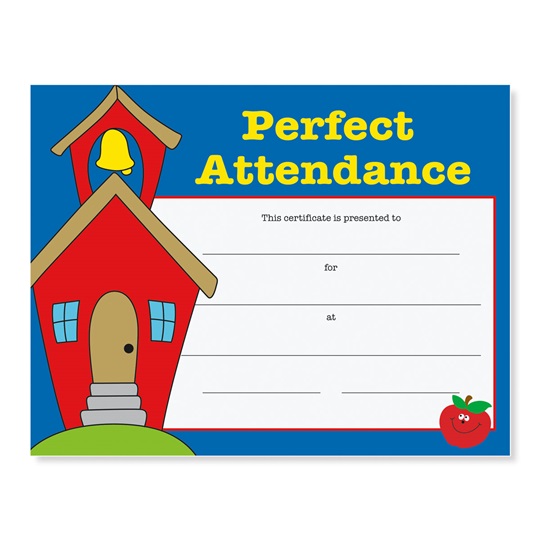
Perfect attendance recognition rewards consistency and reliability. Quarterly attendance awards are especially effective because they connect recognition closely to the achievement itself.
Effort and Improvement Awards
Improvement-based certificates recognize growth, perseverance, and positive behavior changes. These awards are particularly effective in elementary and middle school settings where students are still developing academic habits.
Subject-Specific Recognition
Subject awards allow schools to celebrate students who excel in individual disciplines such as math, science, music, or art. These certificates provide specific, skill-based recognition even when overall GPA does not qualify for traditional honor roll categories.
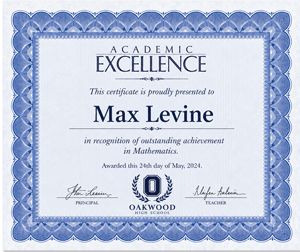
Designing Certificates Students Actually Keep
The design of an honor roll certificate strongly influences whether students proudly display it or quickly forget about it.
Match the Design to the Award
The visual tone should reflect the significance of the recognition. A Principal’s List certificate should feel more formal than a quarterly merit award.
A few simple design principles make a major difference:
- The student’s name should be the most prominent text.
- The achievement level should stand out clearly.
- Handwritten signatures add authenticity and personalization.
- School logos and colors reinforce institutional pride.
Use Age-Appropriate Design Elements
Elementary students often respond well to brighter colors, stars, ribbons, and celebratory graphics. Older students generally prefer cleaner layouts, school colors, and more refined typography.
Using slight design variations between quarters can also help preserve novelty throughout the year.
Choose Better Paper Stock
Paper quality is one of the most overlooked aspects of certificate design. A certificate printed on quality parchment stock feels more important than one printed on standard copy paper.
Heavier paper stock creates a more substantial presentation while also reducing creasing and damage during transport home. Standard 8.5″ x 11″ certificate paper remains the most versatile format for schools.
Customize When Possible
Schools with limited design resources can still personalize certificates using editable templates. Schools wanting a more polished appearance may benefit from professionally designed custom certificates that match their branding and recognition structure.
Different award categories should also maintain distinct visual identities so students can immediately recognize the significance of each tier.
Certificate Accessories That Elevate the Program
Small finishing details can dramatically improve the presentation of honor roll awards.
Certificate Jackets
Certificate jackets protect awards during presentation and make the recognition feel more formal. A certificate handed inside a presentation folder immediately feels more important than a loose sheet of paper.

Benefits of certificate jackets include:
- Protecting certificates from tears and creases
- Creating a polished presentation experience
- Reinforcing the value of the achievement
- Adding school-specific branding opportunities
Schools may choose formal jackets for highest honors and more celebratory styles for merit-based awards.
Certificate Seals
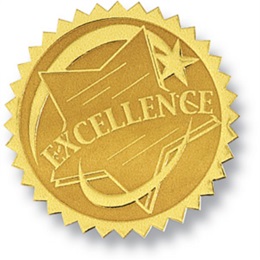
Foil or embossed certificate seals add visual emphasis and create a more official appearance. Metallic finishes also help certificates stand out visually when displayed at home.
Matching seal colors and designs to school colors or mascots adds additional personalization.
When Accessories Matter Most
- Highest Honors: Use both jackets and seals for maximum impact.
- Standard Honor Roll: Jackets are recommended, while seals remain optional.
- Quarterly Merit Awards: Seals offer an affordable way to enhance presentation without significantly increasing costs.
Presenting Certificates So the Recognition Actually Matters
Even a beautifully designed certificate loses value if the presentation feels rushed or impersonal.
Classroom Recognition
Classroom presentations are simple and cost-effective. They work best when teachers clearly state:
- The student’s name
- The specific achievement level
- One brief personal comment about the student’s effort or improvement

School-Wide Assemblies
Assemblies create a higher-profile recognition environment and can significantly increase the perceived importance of the achievement. Public recognition also reinforces school-wide academic expectations.
Parent-Inclusive Ceremonies
Inviting families to recognition events increases the emotional impact of the achievement. Students are often more motivated when recognition becomes a shared family moment rather than simply a classroom activity.
Timing Matters
Recognition should happen as close to the achievement as possible. Waiting weeks to distribute awards weakens the motivational connection between effort and recognition.
Quarterly presentations tied directly to grading periods create a much stronger reinforcement cycle than waiting until the end of the school year.
Use Personalized Presentation Language
The presentation itself should feel intentional.
Effective presenters:
- Pronounce student names clearly
- State the achievement level specifically
- Mention consecutive honors when applicable
- Include a brief personalized acknowledgment
- Encourage students to display their certificates proudly
Building Recognition Into School Culture
The strongest honor roll programs extend beyond a single certificate ceremony.
Create Consistent Recognition Events
Quarterly recognition creates predictable motivation throughout the academic year. Schools can also host an annual celebration for students who earned honor roll status multiple consecutive quarters.
First-time honor roll students should receive special acknowledgment because the achievement often represents a major milestone.
Increase Visibility Around Campus
Displaying recognized students in hallways, newsletters, or school social media reinforces the value of academic achievement.
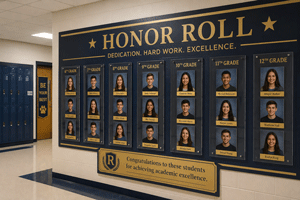
Schools can also:
- Create rotating honor roll display boards
- Highlight subject-specific achievements in classrooms
- Feature students in newsletters or online announcements
- Encourage peer-nominated recognition programs
Expand Beyond GPA Recognition
Schools that recognize only GPA often leave many deserving students unrecognized. Expanding programs to include citizenship, improvement, attendance, leadership, and subject-specific awards allows recognition to reach a broader range of students.
Reviewing GPA thresholds annually also helps ensure standards remain appropriate for the school population.
Make Every Honor Roll Recognition Meaningful
An honor roll certificate can become either a powerful motivational tool or a forgettable administrative form. The difference depends entirely on how thoughtfully the program is designed and presented.
Strong recognition programs do not require massive budgets. Small improvements such as better paper stock, personalized comments, presentation folders, or more intentional ceremonies can dramatically increase the emotional impact of student recognition.
A great honor roll program starts with a certificate that feels meaningful, professional, and worth displaying. From premium certificate paper and parchment stock to presentation jackets and seals, the right materials help schools create recognition moments students and families genuinely remember.