Punctuation is a vital tool for clarity, professionalism, and creating the right impression. In the corporate environment, poorly punctuated correspondence can easily come across as sloppy or confusing. When you write to a client, partner, or team member, the way you use commas, colons, and even exclamation points truly matters.
Proper letter punctuation ensures your message is easily understood and respected. If readers have to guess your meaning because of a missing comma or a misplaced period, they might lose confidence in your attention to detail. Excellent grammar shows your recipient that you value their time and take the relationship seriously.
This guide will walk you through the essential rules every professional should know when punctuating letters. From salutations to the final sign-off, you will learn how to keep your message polished, accurate, and highly effective.
Salutation and Closing Punctuation Rules
Before writing the main body of your document, you need to decide how to format your opening and closing. Professionals generally rely on two main styles for the punctuation for letters: mixed and open.
Mixed Punctuation
This traditional approach requires specific marks after your greetings and sign-offs. You place a comma after the salutation and a comma after the closing. It provides a formal, structured look to your correspondence.
Example:
Dear Mr. Robert Edmunds,
Sincerely,
Open Punctuation
Modern offices often prefer open punctuation. This minimalist style leaves out punctuation after both the salutation and the closing, creating a clean look on the page. It saves time and presents a sleek visual aesthetic.
Example:
Dear Mr. Robert Edmunds
Sincerely
You should choose one style and remain consistent throughout the entire document. Switching between the two can look accidental and unpolished. Check your company’s brand tone or style guide to determine the best fit for your organization.
Body Text Punctuation Best Practices
The main paragraphs of your document hold your core message. Applying the right punctuation for a letter here guarantees that your ideas shine clearly.
Periods
End each complete sentence clearly and cleanly with a period. A modern rule to remember is to use a single space after a period, rather than two. Digital typography automatically adjusts spacing, so a single space creates a visually pleasing block of text that aligns with current formatting standards.
Commas
Commas help pace your writing and separate ideas. One crucial coordinating conjunction rule involves using a comma before words like “and” or “but” when joining two complete thoughts.
Example: “We reviewed your proposal, and we’re ready to move forward.”
You also need to understand the Oxford comma, sometimes called the serial comma. This is the mark placed right before the final conjunction in a list of three or more items. Using it provides absolute clarity and prevents awkward misunderstandings.
Look at this picnic example to see the difference:
- With the Oxford comma: “We’re bringing hot dogs, macaroni, and cheese.”
- Without the Oxford comma: “We’re bringing hot dogs, macaroni and cheese.”

The second version makes it sound like you are bringing a single pasta dish, rather than two separate items.

Semicolons
Use semicolons to connect two related but independent clauses. They provide a softer pause than a period while keeping closely tied ideas together. This is a great way to show the relationship between two distinct thoughts without relying on words like “and” or “because”.
Example: “We appreciate your partnership; let’s connect again in January.”
Common Punctuation Marks and How to Use Them
Beyond periods and commas, other marks add nuance and structure to your writing. Knowing how to deploy these correctly will separate an average letter from a highly professional one.
Colons
Colons are highly effective when you need to introduce lists or emphasize a specific point. They act like a spotlight pointing directly to the information that follows.
Example: “We need the following by Friday: your signed contract, logo files, and payment.”
Quotation Marks
You will need quotation marks to reference someone else’s words, share direct quotes, or highlight key terms. Always follow the American English style, which dictates that periods and commas should be placed inside the closing quotation marks.
Example: “Let’s move forward with the ‘Year-End Savings’ promotion.”
Apostrophes
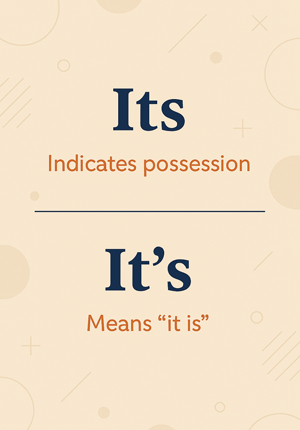
Apostrophes serve two primary functions. They show possession and they form contractions.
Example: “It’s been a great year for our company’s growth.”
Make sure to avoid common mix-ups that can undermine your professionalism. Remember that “its” indicates possession, while “it’s” simply means “it is”.

Exclamation Points
Use exclamation points sparingly in business writing. They can add enthusiasm when appropriate, but overusing them will make your writing sound overly casual or unprofessional.
Example: “We’re excited to work with you!” is perfectly fine. Just avoid ending multiple sentences in a row with this mark, as it diminishes the impact and seriousness of your message.
Formatting Tips for Professional Business Letters
Excellent grammar needs to be paired with clean visual formatting. Stick to consistent punctuation and alignment throughout the document to provide a seamless reading experience.
Use professional spacing to maintain a polished look. Block format is widely accepted across corporate industries. This means you use no indentation, align all text to the left margin, and leave clear line breaks between paragraphs and sections. This structure makes the letter easy to scan and digest.
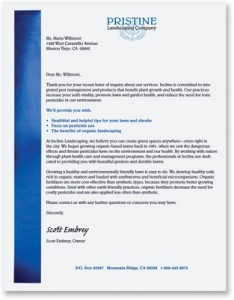
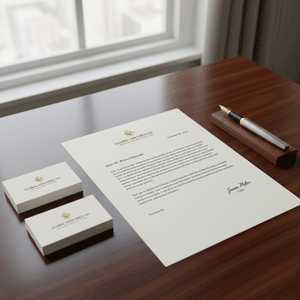
Always proofread for punctuation and clarity before sending. A quick review can catch minor errors that spellcheckers might miss. Finally, remember that visual polish matters just as much as the text itself. High-quality letterhead boosts your brand and shows the recipient that you care about the details.
Seal the Deal with Perfect Punctuation
Punctuation may seem small, but it carries immense weight in business writing. The right marks build trust, reinforce clarity, and keep your message professional. By mastering these simple rules, from periods and commas to colons and salutations, you will elevate every piece of correspondence you send.
Polished writing starts with excellent grammar. Once your letter is perfected, pair it with premium letterhead from PaperDirect to make a lasting impression that reflects your true professionalism.