
Graduation day is a once-in-a-lifetime moment that students will cherish, and the diploma is the keepsake they’ll hold on to long after the caps stop flying. Whether the graduation is from middle school, high school, or college, getting the graduation diploma wording right means conveying the day’s meaning with the proper tone and an accurate, professional message.
This guide walks through the essential parts of a diploma, how to choose a style that fits your school, and how to finalize and print your own — and PaperDirect’s graduation products and recognition collection has everything you need to bring it all together.
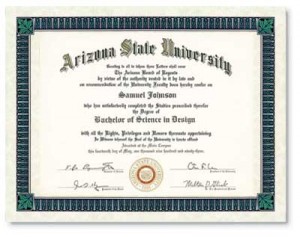
Understanding Diploma Wording
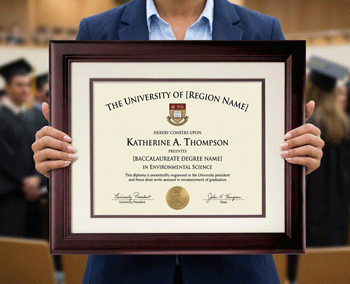
Diploma wording is the formal text that states who earned the diploma, from which school, for what course of study, and under whose authority. Use these seven elements as your checklist when creating custom diplomas for a middle school, high school, or college graduation.
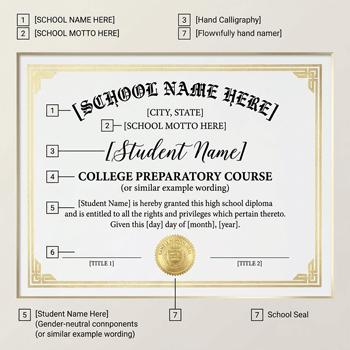
- School name. Arch it across the top of the diploma in a Gothic-style font.
- City, state, or school motto. The next several lines can carry the city and state of your school, or the school motto.
- Student name. Show it in hand calligraphy, or use the same font as the school name.
- Center line. Choose the wording for the center of the diploma — “College Preparatory Course,” “Honors Course of Study,” or whatever fits the particular student.
- Conferral statement. Add language such as: “[Student Name] is hereby granted this high school diploma and is entitled to all the rights and privileges which pertain thereto. Given this [day] day of [month], [year].” Keep the wording gender-neutral and use a bracketed placeholder for the date, rather than hard-coding a specific year, so the same template works for every graduating class.
- Signatures and titles. Include signatures with titles beneath them, and leave space between the signatures to accommodate a center seal.
- Seal. Add an engraved or embossed seal toward the bottom of the diploma. Many schools position it in the middle, but you can leave space by either corner for it.
Choosing the Right Style
The style of a diploma sets its tone before anyone reads a word. Most designs fall somewhere between two directions:
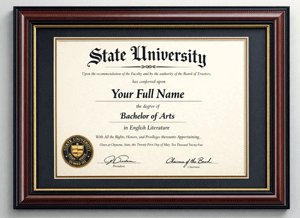
- Traditional: Gothic or blackletter school name, calligraphy for the graduate’s name, parchment-toned paper, a gold seal, and formal language.
- Modern: Clean serif or sans-serif type, simplified wording, generous white space, and color accents pulled from the school’s palette.
- Hybrid: A traditional layout with a few modern touches, such as a cleaner font for the body text or a crisp school logo.
When choosing a style, consider the level of the school (middle, high school, or college), your school’s traditions, your budget and printing method, and whether the diploma will be presented in a cover. Not sure which format fits your institution? See Types of Diplomas Explained and What They Mean for a closer look at the differences.
Tips for Crafting Your Graduation Diploma Wording
A few reliable phrases give a diploma the right formal tone:
- “is hereby granted this diploma” or “has satisfactorily completed the prescribed course of study”
- “with all the rights, privileges, and honors pertaining thereto”
- “Given at [City, State], this [day] day of [month], [year]”
For a more unique touch, add the school motto or a short honors designation on the center line. Then avoid the most common pitfalls when finalizing your wording for a graduate diploma:
- Misspelled or inconsistent names — always use the graduate’s legal name from school records.
- Mixing formal and casual language within the same document.
- Overcrowding the layout with too much text.
- Leaving out signature titles.
- Forgetting to leave room for the seal.
- Hard-coding a specific year into a template you plan to reuse year after year.
Incorporating School Identity
A diploma should look like it belongs to your school and no one else’s. Use school colors for borders, ribbons, or accent lines, while keeping the main text dark for readability. Place the school logo or crest at the top, or use it as the basis for the seal.
Let your values show through the motto or center line — for example, a course of study or honors pathway that reflects what your school emphasizes. Before finalizing, check whether your district or governing board requires specific language or signatories, since some states set minimum requirements for diploma wording.
Using Templates for Inspiration
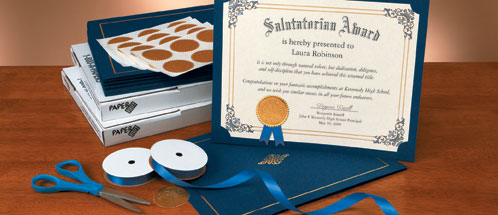
Starting from a template saves time and helps make sure no essential element gets left out. A good template gives you a proven layout for the name, center line, conferral statement, signatures, and seal, so you can focus on customizing the words for your diploma of graduation rather than rebuilding the structure from scratch.
Once your design is ready, print it on heavyweight certificate paper so the finished diploma feels as substantial as the occasion.
No matter which diploma wording ideas you use, keep one thing in mind: customize every diploma to fit your school and traditions. If something seems “off” about the overall presentation, change it. Create diplomas that are true to your school.
The Role of Typography
Font choice does as much as wording to set the tone of a diploma. A blackletter or Old English–style font gives the school name a classic, formal feel, while a script or calligraphy font suits the graduate’s name. For the body text, a clean serif such as Garamond or Times New Roman stays easy to read at any size.
A few typography rules of thumb:
- Limit yourself to two or three fonts total.
- Make the school name and graduate’s name the largest elements on the page.
- Avoid long blocks of all-caps text, which can feel harsh and hard to read.
Adding Personal Touches
Diplomas are formal documents, but small touches can make each one feel individual:
- A center line tailored to each student’s course of study or honors.
- The graduate’s name in hand calligraphy.
- A short school motto or quote in the footer.
- Original signatures from the principal, dean, or board president.
Finalizing Your Design
Before you print the full batch of diplomas, work through this checklist:
- Check every name and title against school records, and have a second person proofread.
- Print a test copy on plain paper to check alignment, spacing, and seal placement.
- Print the final diplomas on quality certificate paper, then add signatures and seals.
- Present them in a certificate holder or cover for a polished finish.
Once the diplomas are in graduates’ hands, Diploma Framing Ideas for Home or Office has ideas for displaying them long after the ceremony ends.
Make the Moment Last
Thoughtful graduation diploma wording and style turn a piece of paper into a keepsake. Take your time with the design process, double-check every detail, and make choices that reflect your school’s traditions — a meaningful diploma is one of the lasting ways to celebrate a graduate’s achievement.
Ready to create your own? Print professional-looking diplomas on PaperDirect certificate paper and finish them with embossed certificate seals.
FAQ
What should be included on a graduation diploma?
A diploma typically includes the school’s name, its location or motto, the graduate’s full legal name, the course of study or honors designation, a statement conferring the diploma, the date, authorized signatures with titles, and an official seal. Requirements vary by school and district, so confirm any required language before printing.
What is the proper wording for a high school diploma?
A common formal structure reads: “[Student Name] is hereby granted this high school diploma and is entitled to all the rights and privileges pertaining thereto. Given this [day] day of [month], [year].” Many schools add a course-of-study line such as “Honors Course of Study.” Check your district’s guidelines for any required phrasing.
Can I print my own diplomas?
Yes. Many schools design diplomas in a word processor or template and print them on heavyweight certificate paper, then add signatures and an embossed seal. Print a test copy on plain paper first to check alignment, and proofread every name against school records before printing the full batch.