
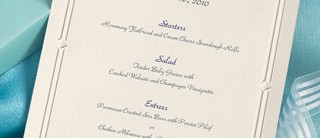
At upscale wedding receptions, guests are typically seated with place cards and given a printed menu so they know exactly what to expect from the evening’s meal. Getting your wedding menu card wording right is a small detail with a big payoff — it sets expectations for guests and adds one more polished touch to the day. Below, you’ll find suggestions, formatting basics, and real example wording for every course.
The Basics of Wedding Menu Cards
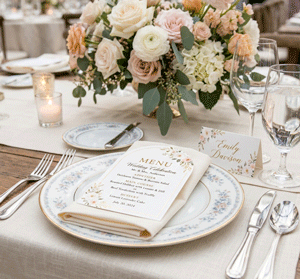
A wedding menu card is a printed card, usually placed at each table setting or seat, that lists the courses being served at the reception. It’s most common at plated, catered dinners, though buffet-style receptions sometimes use a single posted or table-top menu instead. Both formats serve the same purpose: telling guests what’s coming so they can plan accordingly, especially if a meal selection was made in advance.
Digital or posted menus: a single large-format menu displayed near the buffet or bar, useful for casual or budget-conscious receptions.
Individual menu cards: one per place setting, often paired with a place card.
Table menu cards: one per table, standing upright or laid flat in the center.
Choosing the Right Wording Style for Your Wedding Menu
Wedding menu wording is relatively simple, but the tone should match the rest of your wedding stationery.
- Formal weddings: use full dish names, complete sentences, and elegant script or serif fonts (e.g., “Herb-Crusted Filet Mignon with Rosemary Jus”).
- Casual weddings: shorter, friendlier phrasing works well (e.g., “Grilled Chicken & Veggies”).
To keep the whole event feeling cohesive, carry the same fonts and styling used on your invitations and wedding program over to your place cards and menu cards. It’s a small detail, but it adds a noticeable touch of class when every piece matches.
Essential Information to Include on a Wedding Menu Card
At the top of the card, most couples include their names and a short heading, such as:
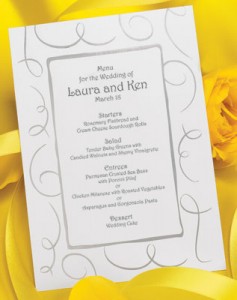
- “Menu for the Wedding of [Bride] & [Groom]”
- “[Bride] & [Groom] — [Wedding Date]”
- Simply “Our Wedding Menu” for a more casual affair
Below that, list each course under a clear heading. A typical structure looks like this:
- First Course (or Starter / Appetizer)
- Main Course (or Entrée) — including any guest-selected options, such as “Chicken or Fish”
- Dessert
- Beverages (if not served throughout, e.g., a specialty cocktail or wine pairing)
Beyond the course names and headings, that’s genuinely all a menu card needs — but the wording of each item is where you can add real personality. See the course-by-course wedding menu wording examples below.
Creative Wedding Menu Wording Ideas for Appetizers
Appetizer wording can be simple and descriptive, or a little more playful. A few menu wording ideas for weddings:
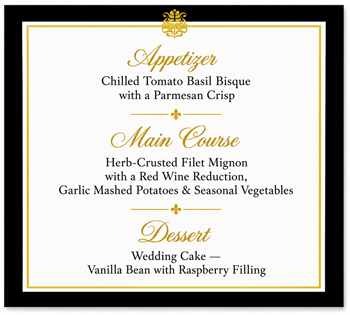
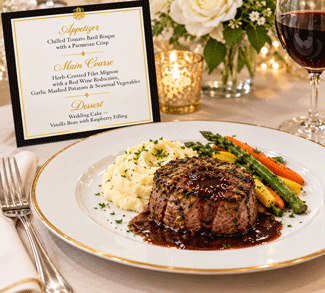
- “Chilled Tomato Basil Bisque with a Parmesan Crisp”
- “Bruschetta Trio — Classic Tomato, Fig & Goat Cheese, Roasted Red Pepper”
- “Garden Fresh Salad with Candied Pecans & Champagne Vinaigrette”
- Simpler version: “Caprese Skewers” or “Shrimp Cocktail”
Main Course Descriptions for Your Wedding Menu
Main course wording benefits from a few well-chosen details — the protein, the preparation, and one standout ingredient or sauce.
- “Herb-Crusted Filet Mignon with a Red Wine Reduction, Garlic Mashed Potatoes & Seasonal Vegetables”
- “Pan-Seared Salmon with Lemon Butter Sauce, Wild Rice Pilaf”
- “Roasted Chicken with Rosemary & Thyme, Whipped Potatoes”
- Vegetarian option: “Wild Mushroom Risotto with Shaved Parmesan”
If guests pre-selected their entrée, it’s common — and helpful for the caterer — to note it directly on the place card or menu, e.g., “Beef” or “Fish,” alongside the full description.
Sweet Treats and Dessert Wording
Dessert wording can lean a little more personal, especially if you’re serving a favorite family recipe or a nod to how you met.
- “Wedding Cake — Vanilla Bean with Raspberry Filling”
- “Grandma’s Chocolate Torte, Made with Love”
- “Late-Night Donut Bar” or “S’mores Station” for a more casual dessert setup
- “Mini Dessert Trio — Lemon Tart, Chocolate Mousse, Berry Pavlova”
Beverage Selections Worth Calling Out
If drinks are being called out on the menu — rather than just offered throughout the evening — keep the wording simple and clear:
- “Wine Pairings — Chardonnay & Cabernet Sauvignon”
- “Signature Cocktail: The [Bride]-tini” or a cocktail named after a shared memory
- “Toast — Sparkling Cider & Champagne”
Personal Touches and Customization
A menu card is also a small, easy place to add a personal touch without redesigning the whole thing:
- A short quote about food, love, or togetherness at the bottom of the card.
- A one-line note on why a dish was chosen (“Featuring the same lasagna recipe from our first date”).
- The couple’s wedding hashtag or a small monogram in the footer.
Design and Layout Tips for DIY Menu Cards
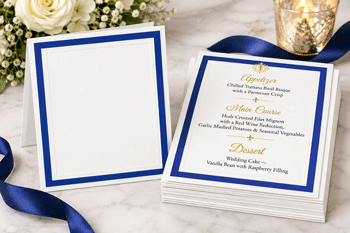
Using blank invitations, wedding programs, place cards, and menu cards lets you — or your planner — print everything in-house, with a level of control you won’t get any other way. If a caterer swaps an entrée or dessert at the last minute, you can update and reprint the menu cards with no one the wiser. No reorder, no delay.
- Keep fonts consistent with your invitations and programs for a cohesive look.
- Leave generous white space — a menu card is meant to be scanned quickly, not read like a paragraph.
- Use a heavier cardstock or specialty paper to match the formality of the event.
FAQ
What should wedding menu wording include?
At minimum, a wedding menu card should include the couple’s names or a short heading (e.g., “Menu for the Wedding of…”) and each course clearly labeled — typically First Course, Main Course, and Dessert. Beverage selections are optional and usually only listed if they’re a specific pairing or signature cocktail.
What are some wedding menu wording examples?
Simple, descriptive phrasing works best, such as “Herb-Crusted Filet Mignon with a Red Wine Reduction” for a main course or “Chilled Tomato Basil Bisque” for a starter. Formal weddings tend to use fuller descriptions, while casual weddings can shorten to just the dish name, like “Grilled Chicken & Veggies.”
How formal should wedding menu wording be?
It should match the overall tone of your wedding. Formal receptions typically use full dish descriptions and elegant fonts that mirror the invitations, while casual or backyard weddings can use shorter, more relaxed phrasing. The most important thing is consistency with your other wedding stationery.
Making the Menu Feel Like Yours
Getting your wedding menu card wording right is a small piece of the much larger wedding-planning puzzle, but it’s one guests will actually notice and appreciate. Keep the wording clear, match the tone and design to the rest of your stationery, and don’t be afraid to add a personal touch — it’s one more detail that will make your reception feel thoughtfully put together.
Ready to design your own? Browse PaperDirect’s Menu Cards to find a style that matches your wedding theme.