Effective student recognition ideas focus on consistent, meaningful acknowledgment rather than occasional rewards. While teaching is often viewed as purely academic, educators also play a major role in building student confidence, motivation, and a sense of belonging. Recognition is one of the most effective ways to support that growth and create a more positive classroom culture.
Many schools treat student recognition as something reserved for special occasions, but it works best when it becomes part of everyday classroom life. The good news is that building a strong recognition culture does not require a large budget or extra hours of planning. Simple strategies like personalized certificates, classroom privileges, handwritten notes, and positive phone calls can make a lasting impact on students.
This post shares practical student recognition ideas that are easy to implement, affordable, and effective. From free daily encouragement strategies to low-cost award ideas, these approaches can help any educator find the right fit for their classroom, students, and budget.
Why Student Recognition Is Part of Your Job (Not Extra Credit)
Affective education focuses on the emotional and social growth of students alongside academic instruction. When students feel recognized and valued by their teachers, they are more engaged, willing to take academic risks, and motivated to persevere through challenges.
The most effective student recognition ideas rely on specific, consistent acknowledgment rather than generic praise. A comment that highlights a student’s effort or improvement carries far more impact than a simple “Good job.” Over time, regular recognition helps build a stronger classroom culture and encourages continued growth.
The best part is that meaningful recognition does not require a large budget. Many high-impact strategies, such as handwritten notes, positive phone calls, or thoughtful verbal praise, cost nothing while still making a lasting impression on students.
How can educators use certificate-based recognition effectively?
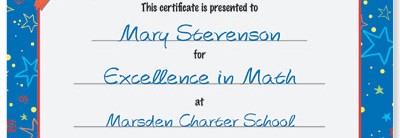
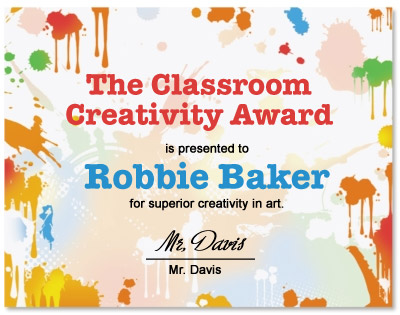
Certificates work best when you treat them as a spotlight tool rather than a default participation gesture. They hold the most value when they remain specific, selective, and presented with clear intention.
Here are six award ideas for students using certificates:
- Student of the Week
- This rotating weekly recognition keeps every student in contention regardless of their academic level. It proves most effective when you name a specific positive behavior observed that week on the certificate itself.
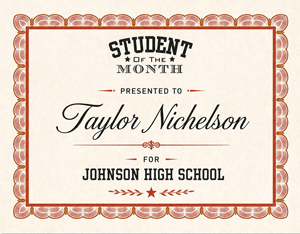
- Student of the Month
- This higher-stakes, school-wide recognition carries more weight because it happens less frequently. Add a peer nomination component so the selection feels truly earned by the recipient.
- Most Improved Student
- This stands as one of the highest-impact certificates available because it recognizes growth relative to a student’s own baseline, rather than comparing them to peers. Pair this with a private conversation naming the exact improvement you observed.
- Hardest Working Student
- This award explicitly decouples effort from the final academic outcome. It sends a clear message that you value the hard work itself, which is particularly meaningful for students trying hard but not yet seeing high test scores.
- Most Helpful Student
- Recognizing prosocial behavior formalizes community contribution as an official achievement. Distributing this visibly creates a compounding effect on your overall classroom culture.
- Highest Grade in the Class
- Rotate this academic achievement recognition across different subjects—like writing one month and science the next—so the recognition spreads more broadly among the class.
The wording on your certificate dictates its impact. The “reason” field represents the most crucial element. Instead of writing “for outstanding achievement,” write “for teaching three classmates how to log into the reading program without being asked.”
Physical quality also deeply affects perceived value. Standard copy paper undercuts excellent wording. Printing on specialty stock from PaperDirect signals that you take the award seriously, ensuring the student keeps it for years to come. Ensure you state the student’s name clearly, read the specific reason aloud before handing it over, and provide a small audience for the presentation.
What are some free, privilege-based award ideas for students?
Classroom privileges serve as legitimate recognition currency. They prove that you noticed positive behavior and that doing the right thing provides a tangible benefit—all without requiring any budget.
Scheduling privileges
Releasing a student one minute early before lunch acts as a small gesture with massive signal value. It positions the student visibly as someone the teacher trusts. Letting a secondary student leave at the end of the day to beat the parking rush offers a practical benefit students genuinely covet. You can also offer the first choice of seating or free reading time during a transition period.
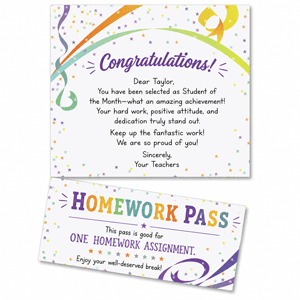
This remains a highly nuanced and popular privilege. The student earns the right to skip one homework assignment. To mitigate the risk of a student strategically skipping a high-stakes project, establish ground rules immediately. Specify that the pass only applies to standard practice work. Math teachers might allow a student to skip ten problems on a skill they have demonstrably mastered, preserving instructional integrity while honoring the reward.
Why are personal gestures the highest-impact recognition tools?
These ideas cost nothing but time and intentionality, yet they consistently produce the strongest emotional impact among all unique student award ideas.
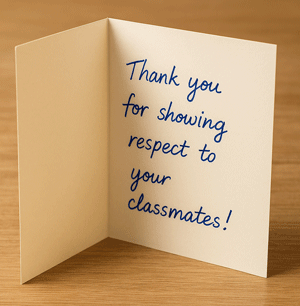
- Handwritten Thank-You Cards
- A handwritten note signals deliberate acknowledgment. The physical act of handwriting communicates deep effort that a printed template cannot match. Students frequently keep handwritten notes for years, long after they leave your classroom. Keep the note short—three to five sentences is the sweet spot. Name the specific behavior, and include one sentence only you could have written about that student. High-quality notecards from PaperDirect make the gesture feel even more intentional.
- The Positive Phone Call Home
- This creates a powerful three-audience ripple effect. The student hears that their teacher cared enough to call. The parent experiences a rare, positive update that reframes the teacher-parent relationship. The peer group witnesses that positive behavior earns recognition reaching all the way home. Keep the call under three minutes, state the good news immediately, and make these calls mid-week for the strongest surprise effect.
How do you celebrate non-academic and group achievements?
A recognition program that only rewards GPA leaves the majority of your classroom without a path to formal acknowledgment. Designing for diverse achievement types represents an equity decision.

Non-Academic Individual Recognition
Acknowledge arts and creative achievements when a student brings genuine creative energy to a standard project. Recognize athletic milestones at the classroom level to show you see the whole student. Highlight social-emotional strengths, like a student who consistently de-escalates conflicts or checks on struggling peers. These moments make excellent unique gift ideas for students when paired with a tangible certificate.
Group Recognition
Celebrate group milestones, such as reaching a class reading goal, with a visual display the whole room can see. Extend privilege-based recognition to the whole class with a free-choice Friday activity tied to a specific collective achievement. Peer nomination programs distribute the recognition process across the community, generating incredibly resonant feedback driven by the students themselves.
What steps build a consistent student recognition practice?
Recognition happening once at the end of the year creates a ceremony. Recognition happening consistently throughout the year builds a culture.
Implement a simple tiered recognition framework today. Weekly, offer one specific verbal acknowledgment or handwritten note. Monthly, present a certificate-based recognition moment in front of peers. Seasonally, make a positive phone call home. At the end of the year, reserve the highest-stakes awards for maximum emotional impact.
You can execute a full-year recognition practice for a class of 25 students for under $50 in materials. Keep a “recognition stash” of PaperDirect certificates and notecards in your desk. Delayed recognition loses much of its behavioral reinforcement value, so you need these items on hand to act immediately.
Recognition acts as a communication system, not merely a reward system. It tells your students exactly what the classroom culture prioritizes and which behaviors are worth repeating.
Making Every Student Feel Seen
Recognition remains a core part of teaching. The ideas presented here range from entirely free to just a few dollars. Every single method communicates the exact same essential message to a student: I see you, I noticed your effort, and it mattered. That message deserves to be delivered consistently and with clear intention.
The ideas in this post cost very little, but printed certificates land much harder when the paper feels chosen with care. PaperDirect’s award and certificate paper is designed for exactly this purpose: professional, print-ready stock making every recognition moment feel official and intentional. Stock up on your favorite materials and have them ready before the next time a student earns one—because that moment will arrive sooner than you think.