When planning a banquet, every detail matters — and few details say “organized and elegant” like properly placed name cards. Place cards not only direct guests to their seats but also communicate thoughtfulness, professionalism, and respect. Whether it’s a company banquet, charity gala, or awards dinner, good etiquette ensures every guest feels welcomed and valued.
Here’s how to design and arrange banquet place cards that elevate your event with ease.
Understanding the Purpose of Place Cards
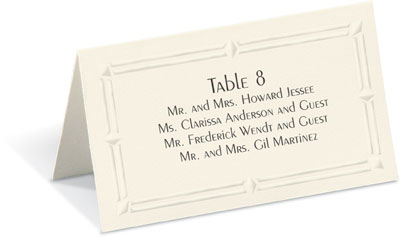
Place cards serve both a practical and social purpose. They keep events organized, prevent confusion, and add polish to your presentation.
Key benefits of using place cards include:
- Clarifying seating assignments and reducing confusion
- Helping guests easily locate their places
- Reflecting careful planning and attention to detail
- Supporting networking by seating compatible guests together
Pro tip: Always keep a printed guest list or master seating chart on hand as a backup in case of last-minute changes.
Choosing the Right Place Card Design
Your place card design should match the tone of the event. A formal awards dinner calls for a different look than a casual team celebration.
When selecting your place cards, consider the following:
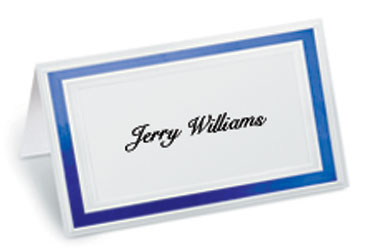
- Formality: Foil-embossed or textured cards work well for formal dinners, while minimalist styles suit corporate banquets.
- Theme and color palette: Coordinate your cards with linens, centerpieces, or invitations for a cohesive look.
- Personalization: Add your company logo or event branding to reinforce your organization’s identity.
Custom Folded Place Cards from PaperDirect offer ready-to-print templates that make your event feel professional and seamless, without the added stress of designing from scratch.
Proper Placement on the Table
Where and how you position your place cards affects both function and appearance.
Best practices for table placement include:
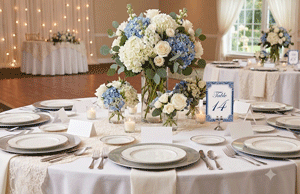
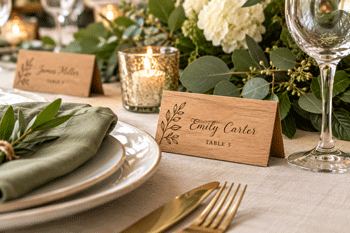
- Positioning place cards above the dinner plate or directly on the napkin
- Keeping text facing the chair for easy readability
- Ensuring names are visible from both sides if cards are tent-folded
- Aligning cards neatly across the table for a uniform, polished look
Pro tip: Avoid mixing place cards with menu cards unless they’re designed as a matched set. Visual clutter can make seating harder to follow.
Creating a Balanced Seating Chart
The success of your banquet often depends on where people sit. In fact, seating carries more weight in some cultures than others — in China, for example, seating arrangements are tied closely to honor, and getting them wrong can put future business relationships at risk.
Etiquette guidelines for a balanced seating chart include:
- Seating guests of honor or senior leaders near the host or speaker
- Mixing departments, teams, or families to encourage conversation
- Considering relationships and interpersonal dynamics when assigning seats
- Alternating guests of varying ranks or roles at large events to keep tables balanced
Traditionally, the most honored guest sits to the host’s right, with the next most honored guest to the host’s left. Some planners also avoid seating the host directly at the head of the table, since this can create separation between the host and other attendees. Thoughtful seating makes networking and conversation feel effortless rather than forced.
Writing Guest Names with Style and Clarity
The way you display names on banquet place cards affects both aesthetics and legibility.
Tips for proper name presentation include:
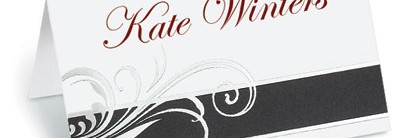
- Using clear, readable fonts — calligraphy or elegant serif styles work well for formal events
- Maintaining consistent formatting throughout, such as “Mr. James Lee” or “Dr. Angela Cruz”
- Including titles for dignitaries, executives, or award recipients
- Adding meal indicators discreetly, such as a small icon or colored dot for vegetarian or vegan choices
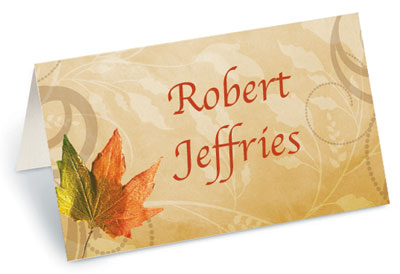
Consistency matters here. If you use formal titles for your top guests of honor, carry that same level of formality across the rest of the table, or set a clear tier system based on company culture.
Pro tip: Print names in advance rather than handwriting them at the last minute. Pre-printed cards look cleaner and more professional, and they reduce the risk of last-minute errors.
Handling Dietary Restrictions or Special Requests
Place cards can also serve as a subtle communication tool between your event and the catering staff.
Consider these approaches:
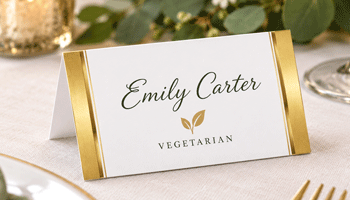
- Add small symbols or colored borders to indicate meal types
- Keep the design discreet, avoiding any public highlighting of dietary restrictions
- Ensure staff has a master list linking card colors or icons to specific needs
Printable place card templates allow for quick updates when menu or seating adjustments come in at the last minute, so you’re never scrambling to redesign an entire table setting.
Managing Last-Minute Changes Gracefully
Even the best-planned events face last-minute cancellations or additions. Building flexibility into your plan keeps these moments from becoming a scramble.
Strategies for handling changes gracefully include:
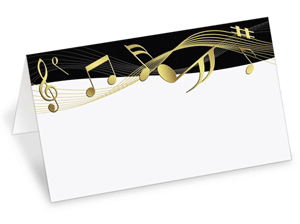
- Printing a few blank cards in advance for unexpected attendees
- Keeping extra seats available at each table when possible
- Updating both the seating chart and table display immediately if rearranging occurs
Pro tip: Store your printed guest list and card templates digitally so you can make quick edits on-site if needed.
Adding Personal and Decorative Touches
Small extras make guests feel appreciated and add to your event’s overall décor.
Creative ideas to consider:
- Slipping a short thank-you note or event hashtag inside each folded card
- Tying cards to napkins with ribbon or greenery
- Adding small embellishments like wax seals or foil lettering
- Using coordinating fonts across menus, programs, and place cards for a consistent look
Alternatives to Traditional Place Cards
Looking to modernize your banquet setup? A few alternatives can add visual interest while maintaining professional etiquette:
- Acrylic or wooden place cards for eco-friendly elegance
- Digital seating boards paired with simple printed cards at the table
- Photo cards for personal milestone banquets like retirements or anniversaries
Etiquette That Turns Seating into Hospitality
Thoughtful place card etiquette transforms seating from a logistical task into a gesture of hospitality. From design to placement, every detail communicates care and professionalism, and it shows your guests that their comfort was considered well before they walked through the door.
Shop Custom Banquet Place Cards at PaperDirect to create polished, personalized seating for any event, whether it’s a corporate dinner or a formal celebration.
Frequently Asked Questions
What is the proper etiquette for addressing banquet place cards?
Formality should stay consistent throughout the table. Use a title and full name, such as “Mr. Michael Jones,” for guests of honor, and apply the same level of formality across all cards unless your company culture calls for a tiered approach.
Where should place cards be positioned on the table?
Place cards should sit above the dinner plate or directly on the napkin, with text facing the chair. If using tent-folded cards, make sure the name is visible from both sides to support networking.
Can guests move their own place cards?
Guests generally shouldn’t move place cards without consulting the host first, as doing so can come across as unprofessional. Any seating requests should go through the event organizer.
How do I handle dietary restrictions without making them obvious to other guests?
Use discreet symbols or colored borders on the place cards, and give catering staff a master list that links each symbol or color to a specific dietary need.
What should I do if a guest cancels or arrives unexpectedly?
Keep a few blank cards and extra seats prepared in advance. If you need to rearrange seating, update both the seating chart and the table display right away to avoid confusion.