

A handwritten thank you note remains one of the most meaningful gestures of appreciation you can offer. Texts and emails vanish in a scroll, but a note written by hand carries weight. Whether for a personal milestone, a professional courtesy, or a simple act of kindness, a well-crafted thank you note never goes out of style.
Yet many people freeze up when faced with a blank card. What do you say? How long should it be? When is it too late to send one? These questions stop plenty of well-meaning people from expressing gratitude at all.
This guide walks you through timeless thank you note etiquette and practical writing tips. You’ll learn how to write a thank you note that feels sincere, warm, and appropriate for any occasion—so you can express appreciation with confidence and style.
Why do thank you notes still matter?
Thank you notes are small gestures that leave a lasting impression. They communicate thoughtfulness, respect, and genuine appreciation in a way few other gestures can.
Here’s why they matter:
- A handwritten note feels intentional. It shows you set aside time specifically for the recipient, unlike a quick digital message.
- It becomes a tangible keepsake. Recipients often hold onto handwritten notes for years, tucking them into drawers and scrapbooks.
- It strengthens relationships. A thoughtful note reinforces positive connections, both personal and professional.
Pro tip: Use elegant thank you notecards to elevate your message and make your gratitude memorable.
When should you send a thank you note?
The rule of thumb is simple: if you’re debating whether to send one, you probably should. Thank you card etiquette leans toward generosity—it’s rare to regret sending a note, but easy to regret skipping one.
Occasions that always deserve a note
- Personal gifts: Birthdays, weddings, showers, graduations, or holidays.
- Hospitality: When someone hosts you for dinner, a party, or a weekend stay.
- Support and kindness: After receiving help, advice, or emotional support.
- Professional courtesy: After job interviews, mentorship, or referrals.
How soon should you send one?
Timing matters. Send your note within one week of receiving a gift or act of kindness. For weddings or large celebrations, two to three weeks is acceptable, since the volume of notes can be considerable. And if life gets in the way? Late is always better than never.

How do you choose the right format?
Your stationery sets the tone before the recipient reads a single word. The right paper signals how much thought you’ve put into the gesture.
Your main options are:
- Handwritten: Always preferred. It’s personal, classic, and heartfelt.
- Printed or typed: Suitable for formal or business occasions.
- Digital notes: Acceptable for casual thanks, but they should still feel sincere.
For presentation, keep a few things in mind. Choose stationery that matches the tone of the occasion. Use high-quality card stock or note paper. And write with black or blue ink for a clean, professional appearance.
Pro tip: For weddings or milestone events, use embossed or foil-accented cards from PaperDirect to add a layer of sophistication.
How to write a thank you note step by step
Wondering what to write in a thank you card? A thoughtful note follows a simple, five-part structure. Once you know it, you’ll never stare at a blank card again.
1. Greeting
Start with a warm salutation: Dear [Name],
2. Express gratitude
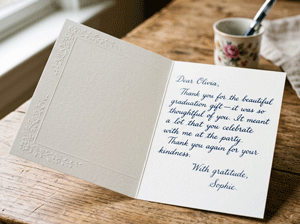
Mention exactly what you’re thanking them for: “Thank you for the beautiful graduation gift—it was so thoughtful of you.”
3. Add a personal touch
Share how you’ll use or appreciate the gift or gesture: “The framed print looks perfect in my new office.”
4. Acknowledge the relationship
Reference a shared experience or memory: “It meant a lot that you could celebrate with us at the party.”
5. Close with sincerity
End with a warm closing line: “Thank you again for your kindness. With gratitude, [Your Name].”
That’s the whole formula for how to write a thank you card—short, specific, and heartfelt.
How should you tailor your tone to the recipient?
Every relationship calls for a slightly different tone. Knowing what to say in a thank you card often comes down to who will be reading it.
- Friends and family: Keep it relaxed and heartfelt. Add warmth and let your personality show.
- Coworkers or clients: Maintain professionalism with polished, measured language.
- Teachers or mentors: Highlight the specific impact of their support or guidance.
Pro tip: Mention something specific—a gift, a favor, or a shared moment—to make each note feel personal rather than copied.
What thank you note mistakes should you avoid?
Even a well-meaning note can lose its impact if it feels rushed or generic. Steer clear of these common slip-ups:
- Vague messages. “Thanks for everything” says very little. Name the specific gift or gesture instead.
- Skipping the proofread. Double-check names, titles, and spelling before you seal the envelope.
- Overly long notes. Concise and genuine beats long and rambling every time.
- Skipping the note entirely. If you’re running late, send it anyway. A late note still means something.
What are some creative thank you note ideas?
Once you’ve mastered the basics of thank you card etiquette, you can add a personal touch that makes your note stand out. Try including:
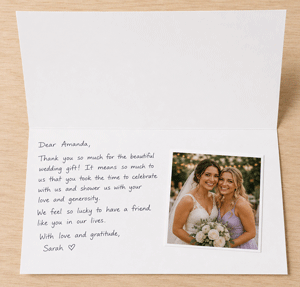
- A favorite photo from a shared event.
- A small keepsake, like a bookmark, a pressed flower, or an art print.
- A themed or seasonal card design.
- A short quote or verse that reflects your appreciation.
Pro tip: Use themed stationery sets from PaperDirect for occasions like weddings, retirements, or holidays.
When are digital thank you notes acceptable?
Digital thank yous have their place—especially for informal or time-sensitive follow-ups. They’re appropriate in situations like:
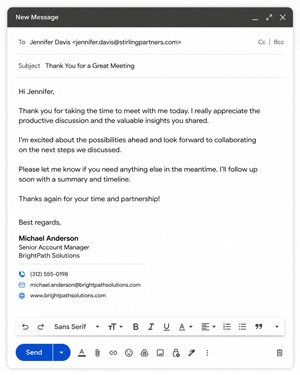
- Quick professional thanks, such as after a meeting.
- Group acknowledgments where mailing individual notes isn’t practical.
- Tech-savvy audiences who genuinely prefer email.
If you go digital, make it personal. Use full sentences with no emojis or abbreviations. Address the person by name. And include a warm closing line, just as you would in print.
One exception holds firm: for major events like weddings, showers, or condolences, always send a handwritten note.
How can you make gratitude a habit?
Gratitude gets easier with practice. Set a goal to send at least one handwritten thank you each month. Consistent appreciation strengthens your relationships and also fosters a sense of mindfulness and positivity in your own life.
The trick is to stay prepared. Keep a small thank you kit stocked with cards, stamps, and pens, so you’re never scrambling when the moment calls for a note.
Express gratitude that lasts
Thank you notes are timeless reminders of kindness, connection, and class. Whether the occasion is personal or professional, expressing gratitude by hand leaves an impression that a text message simply can’t match. Master a little thank you note etiquette—the right timing, format, and words—and you’ll always know exactly what to say.
Ready to put these tips into practice? Shop thank you cards and stationery sets at PaperDirect to find elegant, customizable designs that help you share appreciation beautifully.
Frequently asked questions
How long should a thank you note be?
A thank you note should be short and focused—usually three to five sentences. Cover what you’re grateful for, add a personal detail, and close warmly. Concise and genuine always beats long and generic.
Is it ever too late to send a thank you note?
No. While the ideal window is within one week (or two to three weeks for weddings), a late note is always better than no note. Simply acknowledge the delay briefly and express your gratitude sincerely.
What should you write in a thank you card if you didn’t like the gift?
Focus on the giver’s thoughtfulness rather than the gift itself. Thank them for thinking of you and for the effort they made. Sincerity about the gesture matters more than praising the specific item.
Are digital thank you notes ever appropriate?
Yes, for casual or time-sensitive situations like a quick professional follow-up or a group acknowledgment. However, for weddings, showers, and condolences, a handwritten note is always the right choice.
What kind of stationery is best for a thank you note?
Choose high-quality card stock that matches the tone of the occasion. Embossed or foil-accented cards suit weddings and milestone events, while simpler designs work well for everyday thanks. Write with black or blue ink for a polished look.