The first weeks of the year can feel slow. The holiday rush is over, budgets are tight, and many teams—especially in retail and sales—are running low on energy. That makes employee motivation for new year planning one of the most useful things a manager can do in January. A fresh start is a natural moment to recognize good work, set clear goals, and show people their effort matters.
This guide covers practical employee motivation ideas and techniques you can use with almost any team, from recognition and reward programs to certificates, a kickoff meeting, and honest feedback. Many of them pair well with PaperDirect certificate paper and employee appreciation gifts.

Understanding Employee Motivation
Employee motivation is the energy and willingness people bring to their work. It is not the same as a paycheck, and it rarely comes from a single perk. People are usually motivated by a mix of things, and that mix differs from person to person. Common drivers include:
- Recognition: knowing that good work is noticed and appreciated.
- Progress: clear goals and visible steps toward them.
- Autonomy: some say in how, when, and where the work gets done.
- Growth: chances to learn, take on new responsibility, or lead.
- Fair pay and rewards: compensation that feels in line with the effort.
- Connection: a team and a manager they trust.
When motivation is high, teams tend to be more productive, more positive, and more willing to go the extra mile. When it dips, the signs are usually easy to spot: missed deadlines, less participation, and a flat mood in meetings. The start of the year is a good time to reset, because everyone is already thinking about what comes next.
Why Does Recognition Matter So Much for Motivation?
Recognition is one of the simplest and lowest-cost ways to boost employee morale and motivation. People tend to repeat the work that gets noticed, so saying thank you specifically and promptly goes a long way.
- Be specific. Name what the person did and why it mattered, rather than a general “good job.”
- Be timely. Recognize the effort soon after it happens, not months later at review time.
- Make it public when it fits. Many people enjoy a shout-out in front of the team, but some prefer a private note—so ask or observe.
- Mix formal and informal. A handwritten thank-you, a certificate, a small gift, and a team announcement all have a place.
Recognition and rewards are not the same thing, and strong programs use both. Recognition says “we saw what you did,” while rewards put something tangible behind it.

Creative Employee Recognition Ideas to Try This Year
You do not need a big budget to try something new in January. These employee motivation ideas are easy to start and easy to repeat:
- Personalized shout-outs. Start team meetings with a minute for specific thanks, or send a short personal note naming what the employee did well.
- Monthly or quarterly awards. Regular awards give people something to aim for all year. Keep the criteria clear so the awards feel fair.
- Peer-to-peer recognition. Let teammates nominate each other. Recognition from colleagues often feels especially genuine. See How to Set Up a Peer-to-Peer Employee Recognition Program for how to get started.
- Reward progress with responsibility. Instead of only handing out prizes, give your top performer a special privilege, such as leading a meeting, choosing a project, or helping make assignments.
How Do You Set Up an Effective Employee Reward Program?
A reward program turns good intentions into a repeatable system. Start by deciding what behavior or result you want more of, then choose rewards that fit it. Rewards generally fall into two groups:
- Monetary rewards: cash bonuses, gift cards, or pay-based incentives. Cash is flexible and can be welcome after the holidays, when many people are watching their budgets—though it isn’t the only motivator that matters. Check your payroll and tax rules for how cash and cash-equivalent rewards must be handled.
- Non-monetary rewards: extra time off, flexible scheduling, public recognition, new responsibilities, lunch with leadership, or a thoughtful gift.

The right reward depends on your team. Ask what people value, or learn a little about each person before choosing a gift, so it is something they will actually use. If you give gifts, browse PaperDirect’s employee appreciation and recognition gifts for ideas. For a deeper look at structure, see 4 Employee Reward and Recognition Programs That Work.
What Makes an Employee Reward Certificate Effective?
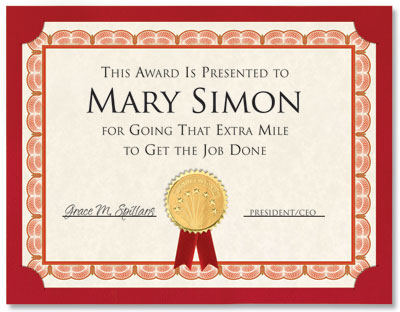
An employee reward certificate is a printed award that puts recognition in writing. It names the employee, the achievement, the date, and who is giving it. A certificate is inexpensive, easy to personalize, and something people can keep on a desk or wall long after the moment has passed. Many teams pair one with a small reward or a handwritten note.
- Choose the paper. Print on quality certificate paper so the award feels substantial.
- Name the achievement. State what the person did, in a sentence or two.
- Add the details. Include the date and signatures from a manager or leader.
- Present it with care. Hand it over in front of the team or in a one-on-one, with a few words of thanks.
Category ideas to get you started: “Most Innovative,” “Team Player,” “Customer Champion,” “Problem Solver,” “Most Improved,” and “Above and Beyond.” For more, see The 15 Most Creative Employee Recognition Categories.
How Do You Run a New Year Kickoff Event That Energizes Your Team?
A kickoff meeting sets the tone for the year. Keep it short, positive, and focused on what is ahead, not just on targets.
- Look back, then ahead. Share a few wins from the past year, then outline the main priorities for the new one.
- Recognize people early. Present a few certificates or shout-outs in the first meeting to show recognition is part of how the team works.
- Add an activity. A quick team game, a goal-setting exercise, or a lunch gives people a reason to connect.
- Invite ideas. Ask each person to share one thing they want to accomplish or improve this year.
- Include remote and hybrid staff. Make sure everyone can take part, whether in person or online.
How Does Goal Setting Support Employee Motivation?
Clear goals give people something to work toward, and a visible finish line helps keep energy up. Set goals at both the team and the individual level.
- Pick a specific target. Choose a goal that addresses a real weak spot or supports a business priority, such as more new customers or faster response times.
- Set a time limit. A clear deadline keeps focus. Break big goals into monthly or quarterly steps.
- Make goals individual. Work with each person to set targets that feel challenging but reachable.
- Reward progress. Tie a reward to meeting the goal, whether that is cash, a gift, a certificate, or extra recognition.
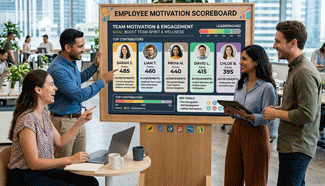
To track progress, a shared spreadsheet, a simple team scoreboard, or a regular check-in all work. The best tool is the one your team will actually use.
How Can You Foster a Positive Work Environment in the New Year?
Culture does a lot of the motivating, and leaders set the tone. A supportive workplace is one where people feel respected, trusted, and heard.
- Offer flexibility where you can. The dark winter months are a good time to give people more say over their schedule or work location, whether that means flexible hours or hybrid arrangements. Many teams find that trusting people to choose the setup that works best for them pays off, though what is possible will depend on the role.
- Lead by example. Managers who say thank you, admit mistakes, and follow through on promises build trust.
- Remove obstacles. Ask what slows people down and fix what you can.
- Celebrate small wins. A quick team lunch or a short note keeps morale from sliding in the slow months.
Why Should You Gather Employee Feedback Regularly?
The best way to know if your employee motivation techniques are working is to ask. Feedback shows you what your team values and keeps you from guessing.
- Ask directly. Use short surveys, a suggestion box, or one-on-one conversations to find out which recognition and rewards people appreciate.
- Make it safe. Offer anonymous options so people can be honest.
- Close the loop. Tell the team what you heard and what you will change. Feedback that goes nowhere quickly discourages people from sharing again.
- Review and adjust. Check in after a quarter, keep what works, and replace what does not.
Can Short-Term Contests Re-Energize Sales and Service Teams?
The start of the year can be slow for sales teams, especially after the holiday rush. A well-designed contest can bring back some competitive spirit and focus effort where your business needs it most.

- Design it around a real need. Focus on new customers, new leads, or whatever your business needs most.
- Keep it short. Short-term contests, such as weekly or monthly, keep excitement going. Waiting until year-end to award prizes can make the prize feel distant.
- Recognize winners as you go. Announce results along the way to keep momentum up.
- Make the prize worth winning. A reward with no meaning or value will not motivate anyone. Consider a certificate, a trophy, a plaque, or a gift people will use.
These ideas are geared toward sales teams, but the same approach can work for support, operations, or any team with a measurable goal.
Start the Year Strong
Employee motivation for the new year does not require a big budget or a complicated plan. Recognize good work specifically and often, set clear goals, choose rewards your team values, and ask for feedback so you can keep improving. Start with one or two ideas from this list, see how your team responds, and build from there. A motivated, engaged team is one of the best ways to start the year strong.
Ready to put recognition in writing? Print your own employee reward certificates on PaperDirect certificate paper, or browse employee appreciation and recognition gifts to go with them.
FAQ
What are good employee motivation ideas for the new year?
Good employee motivation ideas for the new year include specific shout-outs, monthly or quarterly awards, peer-to-peer recognition, short-term team contests, and clear goals with rewards attached. A short kickoff meeting that recognizes last year’s wins also helps. Start small, repeat what works, and ask your team which ideas they value most.
How do you boost employee morale and motivation after the holidays?
Start by recognizing effort specifically and often, then give people clear goals and a short-term target to aim for. Offer flexibility where possible, ask for feedback, and celebrate small wins. After the holidays, simple gestures like a thank-you note or a team lunch can lift the mood quickly.
What are the most effective employee motivation techniques?
Effective employee motivation techniques usually combine recognition, clear goals, fair rewards, and a supportive culture. Specific, timely praise, achievable targets, and some autonomy over how work gets done help most teams. Because people are motivated by different things, ask employees what they value and tailor your approach.
Do employee reward certificates actually work?
Certificates can work well when they are specific, sincere, and presented with care. A printed certificate puts recognition in writing and gives employees something to keep. It is a low-cost option that pairs well with a small reward or a handwritten thank-you, and it is easy to customize for different achievements.